
Last Updated: November 12, 2026
Quick Summary
Simple self-care rituals for stress relief work best when they are short, sensory, and easy to repeat, such as a warm foot massage, deep breathing, or a few minutes of journaling. Start with one or two rituals you can do daily, because consistency matters more than variety.
- A 10-minute evening wind-down repeats the same cue each night so the routine becomes automatic.
- Sensory grounding uses your five senses: name five things you see, four you touch, three you hear, two you smell, one you taste.
- Deep breathing with a longer exhale means four counts in, hold four, out for six.
- Build two or three micro-pauses into your workday between meetings instead of waiting for one big recovery at night.
- Pick one ritual and repeat it for two weeks before adding anything else.
Table of Contents
- Why Simple Self-Care Rituals Beat Grand Gestures
- Simple Self Care Rituals for Stress Relief at Home
- Your Self-Care Routine List: 7 Rituals to Start With
- Quick Stress-Relief Rituals for a Busy Workday
- Beauty Self Care Ideas That Double as Stress Relief
- How to Build a Routine That Actually Sticks
- Choosing Your First Cholora Self-Care Ritual
- Frequently Asked Questions
Why Simple Self-Care Rituals Beat Grand Gestures
Simple self-care rituals for stress relief tend to work better than occasional grand gestures because repetition, not intensity, is what makes a routine feel calming. A short daily practice can give your body a predictable cue to settle; a spa day every few months does not.
That's the core argument of this guide, and it runs against how most people treat self-care. We tend to save it for when we're already depleted, then reach for something big and expensive. Habit formation is generally understood to favour consistency over intensity, so a ten-minute ritual you actually do is often more useful than a two-hour one you keep postponing.
Below, we'll show you exactly how to build that kind of routine, starting with seven rituals you can begin this week.
Simple Self Care Rituals for Stress Relief at Home
Many people find that at-home self-care rituals work best when they are short, sensory, and easy to repeat: a warm foot massage, a breathing exercise, a few minutes of journaling. These simple self care rituals for stress relief at home work because they're accessible on a hard day, not just a good one. If a ritual requires setup and energy, it won't survive a stressful week.
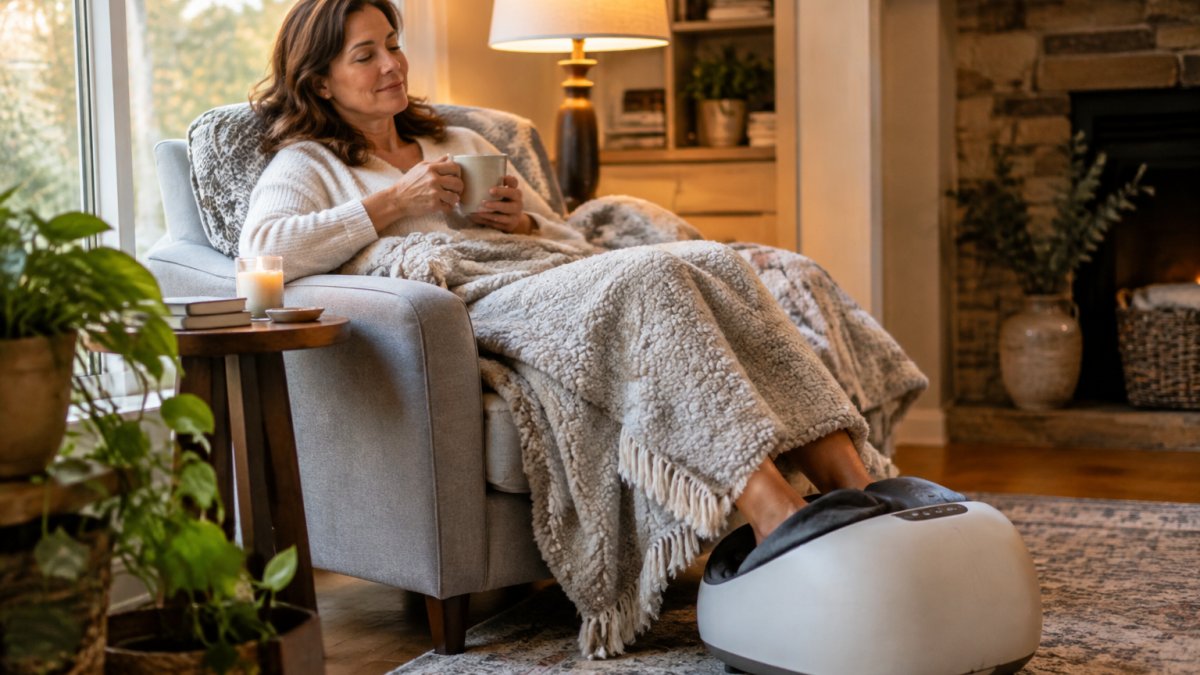
One common barrier to a ritual is friction rather than time. If a foot massager lives in a closet behind three boxes, it is less likely to get used. Keeping whatever you rely on within reach, plugged in and ready can help.
The 10-Minute Evening Wind-Down
The 10-minute evening wind-down is a fixed sequence you repeat before bed to help your nervous system shift out of alert mode. Dim the lights, put your phone in another room, and do one physical and one quiet activity. A short foot massage followed by slow breathing is a good template. The point isn't perfection; it's the same cue every night, which is how a daily routine becomes automatic.
Sensory Grounding You Can Do in Your Living Room
Sensory grounding exercises pull attention back to the present by engaging your five senses, which can interrupt a stress spiral. Try naming five things you can see, four you can touch, three you can hear, two you can smell, and one you can taste. It sounds almost too simple to work. In practice, it interrupts the loop of anxious thinking long enough for your body to settle.
Your Self-Care Routine List: 7 Rituals to Start With
A good self-care routine list should be short enough to actually follow. These seven rituals cover physical, mental, and emotional needs, and each takes minutes rather than hours. Start with two or three, not all seven. Each ritual on this list is designed to be low-cost and takes only minutes.
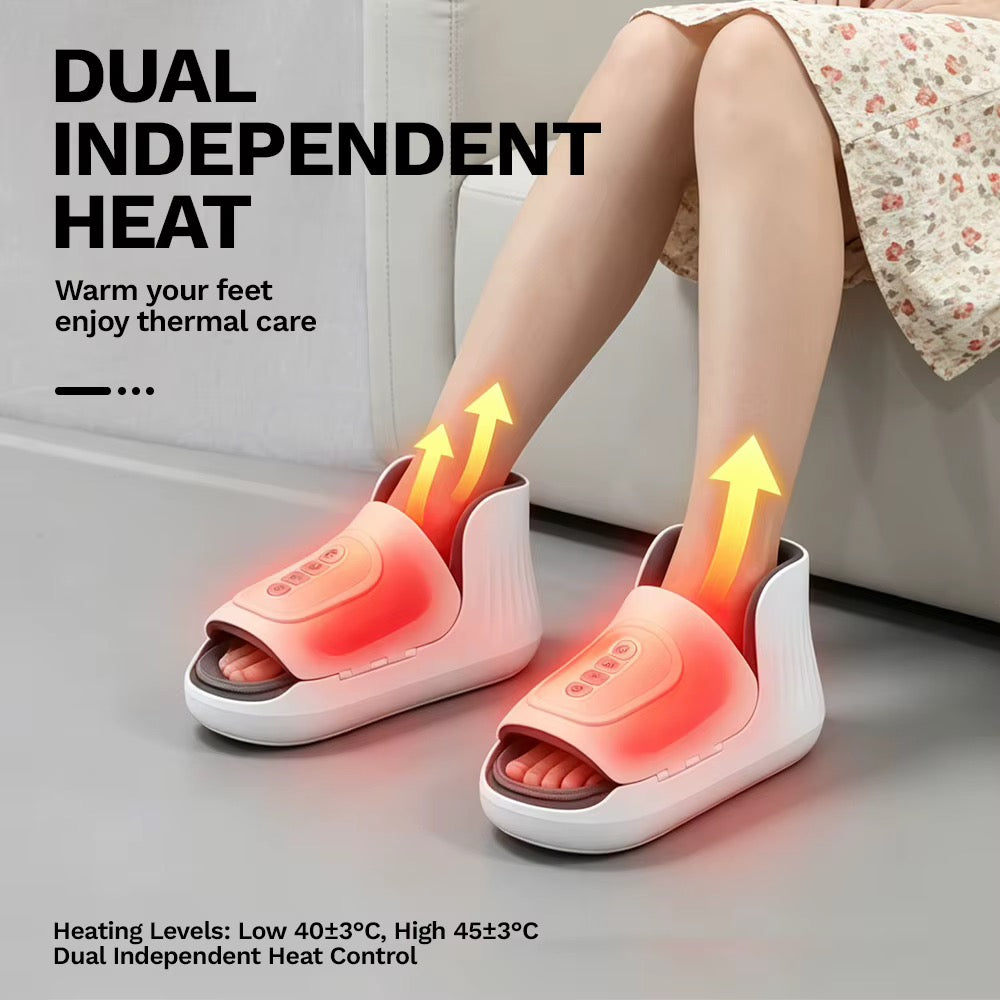
- A warm foot massage. Air compression and gentle warmth can make tired feet feel more comfortable. The CHOLORA Heated Foot Massagers combine air compression massage with gentle warmth for a relaxing evening break. If you don't have a device, a manual foot rub with lotion for a couple of minutes can be a simple alternative.
- Deep breathing with a longer exhale. Four counts in, hold for four, out for six. A longer exhale is often associated with a sense of calm. No equipment needed.
- Journaling three sentences. Write down what's on your mind without structure. A pen and scrap paper are enough; no fancy notebook required.
- A short walk, ideally outdoors. Physical movement can lift mood, and even five minutes outside combines movement with time in nature.
- Progressive muscle relaxation. Tense each muscle group for five seconds, then release. This practice can help you notice and release tension. It costs nothing and takes about three minutes.
- Gratitude practice with specificity. Name three specific things that went right today, not just "family" but "my daughter's laugh at breakfast." Specific details can make the practice feel more meaningful.
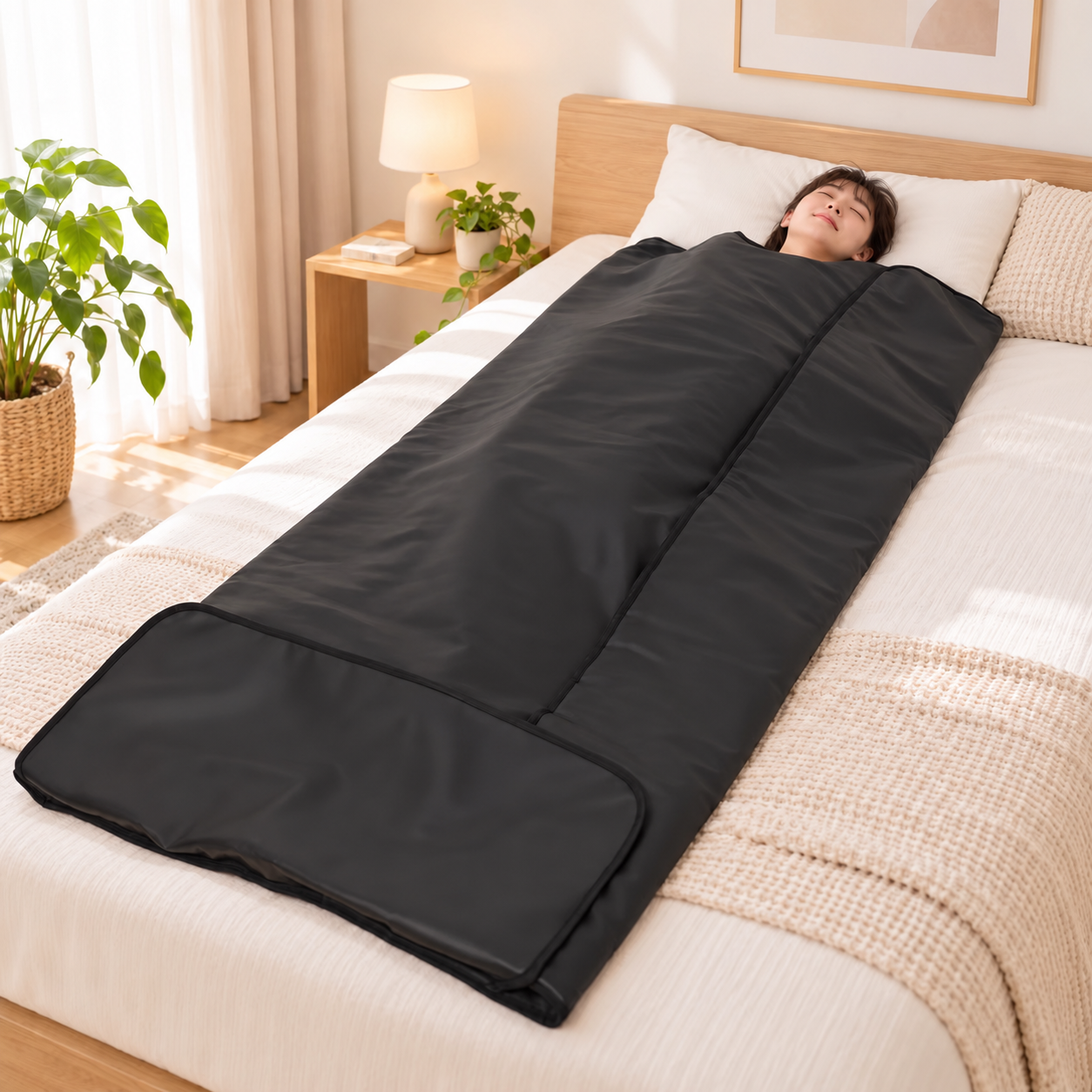
- A warm sauna session or a hot shower. The CHOLORA Infrared Sauna Blanket offers adjustable temperature and timer settings, so you can fit a warming ritual into your evening. If you don't have a sauna, a hot shower with slow breathing can be a simple alternative.
Watch out: don't try to adopt all seven at once. Pick one or two that feel easiest today, and repeat them for a week before adding another. Consistency matters more than variety.
Quick Stress-Relief Rituals for a Busy Workday
Quick stress-relief rituals for a workday take under five minutes and can be done at your desk. The best options are physiological: slow exhales, a short stretch, a glass of water, a brief walk away from your screen. These work because they act on the body's stress response directly rather than trying to think your way out of it.
A common pattern is waiting for a break to de-stress, by which point stress has often already built up. Instead, build two or three micro-pauses into your calendar between meetings. Stand up, roll your shoulders, breathe slowly for sixty seconds. The goal is nervous system regulation in small doses throughout the day, not one big recovery at night.
Watch out: if your only stress relief happens after 8pm, you're treating symptoms that already built up. Front-load your day with brief pauses.
Beauty Self Care Ideas That Double as Stress Relief
Beauty self care ideas double as stress relief when the routine itself is calming, not just the result. A skincare ritual with slow, deliberate movements can lower stress while you care for your skin. The two goals aren't in conflict.
The CHOLORA LED Face Mask has seven light colour modes and an adjustable strap, so a session can be a quiet, hands-free pause. our breakdown of whether LED masks really work covers the detail before you buy.
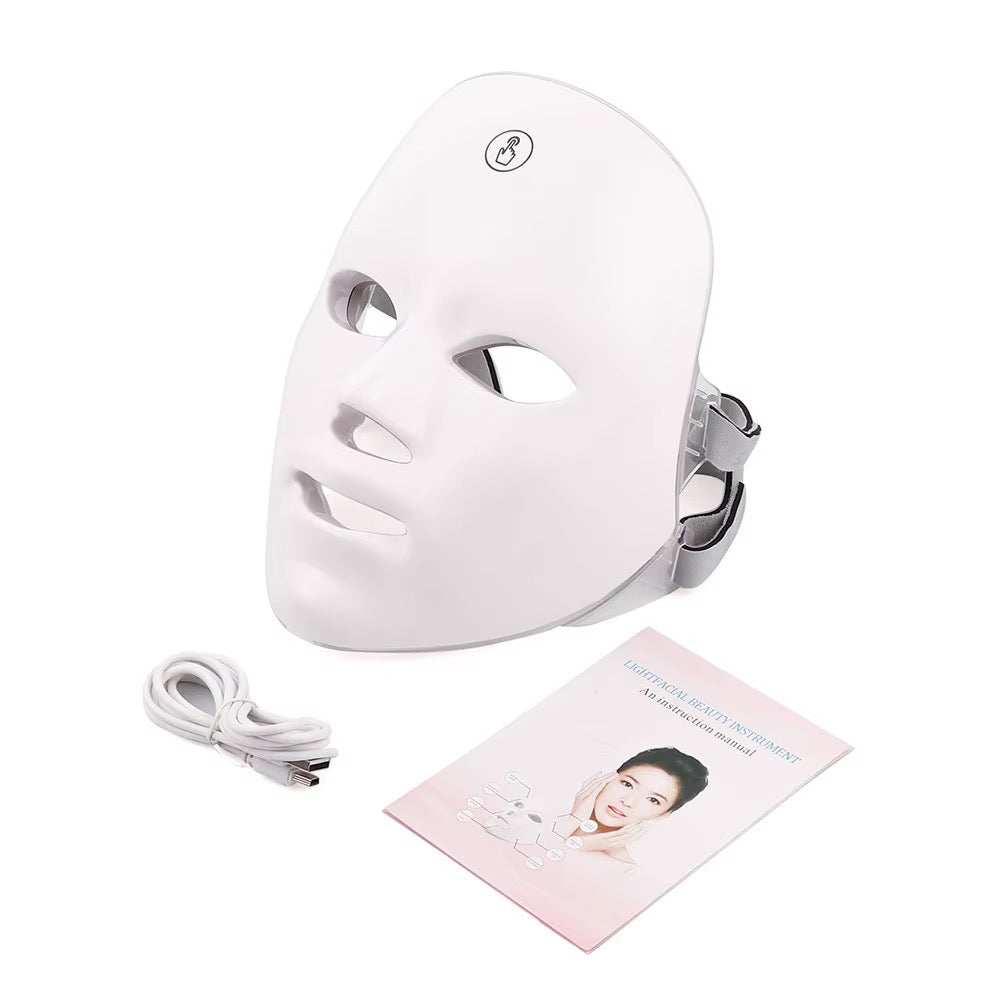
For many people, the value of a beauty routine as self-care lies in the pause rather than the number of products used.
How to Build a Routine That Actually Sticks
A routine sticks when you attach it to an existing habit and lower the effort required to start. This is habit formation in its simplest form: same cue, same time, minimum friction. Don't rely on motivation, which is unreliable. Rely on design. But most guides stop there, they don't tell you that the design should differ depending on whether you're at work or at home, and they rarely explain the neuroscience behind why these tactics work.
| Problem | Fix | Why it works |
|---|---|---|
| You forget to do it | Attach it to an existing habit | The cue already exists in your daily routine, so you don't need to remember a new one. |
| It feels like a chore | Shorten it to under 10 minutes | Low effort lowers resistance by reducing the perceived cost of starting. |
| You skip on hard days | Pick a minimum version | Consistency beats intensity; a two-minute version maintains the neural pathway. |
| It fades after two weeks | Track it visibly | Self-reflection sustains habits by providing immediate feedback and a sense of progress. |
| It feels selfish | Reframe it as maintenance | Cognitive reframing reduces guilt by changing the story you tell yourself about the activity. |
At-work rituals vs. at-home rituals. The same ritual can fail in one environment and thrive in another. At work, your stress triggers are often social and cognitive, back-to-back meetings, email pings, bright lights. A ritual that works there is one you can do at your desk without drawing attention: a sixty-second slow-breathing pause between meetings, a glass of water drunk mindfully, or a short walk to the farthest restroom. At home, triggers tend to be environmental and emotional, clutter, family demands, the pull of screens. Here, a ritual can be more sensory: dimming the lights, a foot massage, or a few minutes of journaling. The key is to match the ritual to the dominant stressor in that environment.
The neuroscience of why small rituals work. Repeating a calming action in the same context can make the context itself feel familiar and settling over time, a pattern similar to how everyday cues become associated with certain feelings. With consistent repetition, a ritual can start to feel almost automatic over time.
Digital detox rituals. One gap most self-care lists miss is specific rituals for disconnecting from screens. A simple digital detox ritual is to charge your phone outside the bedroom and replace the scrolling habit with a two-minute breathing exercise or a few pages of a paper book. The goal isn't to eliminate screens but to create a predictable screen-free window that signals to your brain that the day is winding down. Many people find that stepping away from screens in the evening helps them wind down.
Set emotional boundaries around your ritual time. A ten-minute window that others know about is easier to protect than an open-ended intention. Work-life balance starts with small, defended blocks.
Choosing Your First Cholora Self-Care Ritual
Choosing a first ritual comes down to one question: what does your body need most right now? If your feet ache from long days at a desk or on your feet, start with warmth and compression. If your skin is your focus, start with a beauty ritual. Either way, pick one and repeat it for two weeks before adding anything else.
Our wellness collection includes a range of products for everyday self-care. The Lion-heart symbol on our items reflects the strength and love our founder's father, Chol, stood for.
Stress builds quietly, and the rituals that help most are the ones you'll actually repeat. Cholora builds products for those small daily moments, from heated foot massagers with air compression and adjustable warmth to LED face masks with seven light modes, each designed to make a self-care ritual easy to keep. Explore the collection and find the ritual that fits your day.
Frequently Asked Questions
What are some stress-relieving rituals I can do at home?
Start with rituals that need no equipment: five minutes of deep breathing, a short walk, or writing three lines in a journal. Add physical comfort where it helps, such as a warm shower or a heated foot massager with air compression and adjustable warmth. The key is often repetition rather than duration. A ritual you repeat daily at the same time can give your routine a predictable rhythm.
How long should a daily self-care routine take?
Ten to twenty minutes is enough for most people. A workable self-care routine list might include two minutes of deep breathing after work, ten minutes of physical movement, and a short skincare step before bed. Longer sessions are fine when you have time, but consistency matters more than length. Pick one or two rituals you can repeat on your busiest days, then add more only when those feel automatic.
What is the 3-3-3 rule for stress?
The 3-3-3 rule is a grounding exercise: name three things you can see, three sounds you can hear, and move three parts of your body. It takes under a minute and pulls attention away from a spiral of worry and back to your surroundings. It can be used as a quick stress-relief ritual between meetings or before a difficult conversation, and it pairs well with slow breathing afterward.
Can beauty self care ideas really help with stress?
They can, when the ritual is about slowing down rather than fixing a flaw. A ten-minute LED face mask session, for example, gives you a reason to sit still, and the CHOLORA LED Face Mask has seven light colour modes and an adjustable strap so you can settle in comfortably.
